Cover feature
From KYLIE to RHODE: Inside the billion-dollar celebrity beauty boom
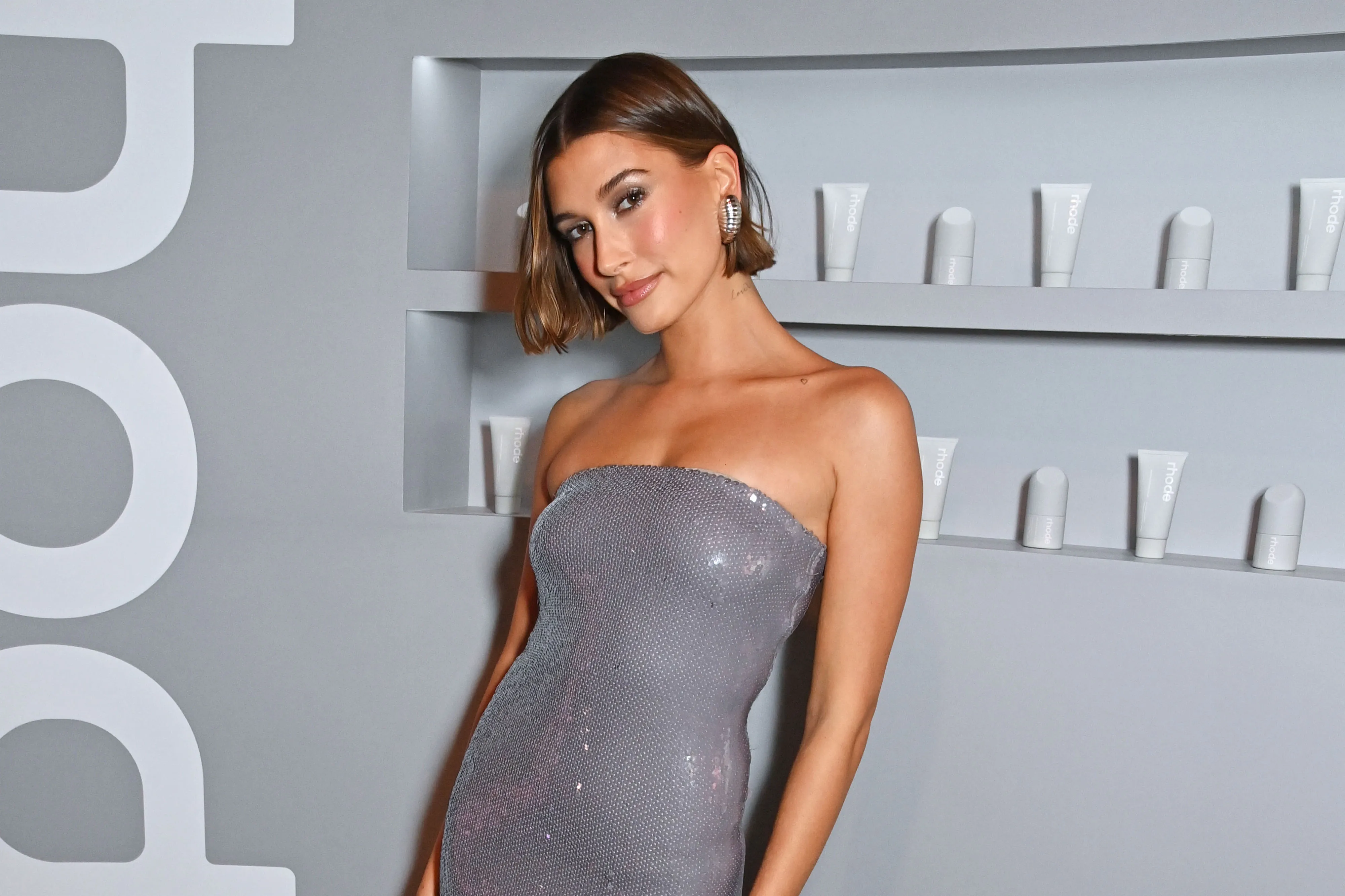
Hailey Bieber attends the Rhode UK launch party on 17 May, 2023 in London, England © Dave Benett/Getty Images for Rhode
Words Erin Cross
It’s hard to name a celebrity who hasn’t entered the beauty space. From Gwyneth Paltrow’s LA luxury wellness brand, synonymous with a more left-of-field approach to beauty, to Hailey Bieber’s clean-girl aesthetic-driven cosmetics company, it seems that celebrities can’t resist getting into the beauty boom.
And with the global beauty and personal care market now valued at an estimated US$677 billion, it’s no wonder that A-Listers are literally using their faces to launch their own cosmetic endeavours.
Yet while some customers express fatigue at what feels like an endless stream of celebrity-fronted brands (who recalls the quick rise and fall of Australian celebrity Elsa Pataky’s Purely Byron?), the appeal of celeb-backed beauty hasn’t disappeared.
In fact, according to global marketing research firm NIQ, it’s a billion-dollar business.
With the global beauty and personal care market now valued at an estimated US$677 billion, it’s no wonder that A-Listers are literally using their faces to launch their own cosmetic endeavours.
Celebrity Beauty’s Glowup
Celebrity beauty brands aren’t a new addition to the industry.
Entering the cultural zeitgeist in the 1980s thanks to the launch of Elizabeth Taylor’s fragrance Passion—considered by some to be the first celebrity-founded beauty product—celebrity beauty gained momentum with supermodel Iman’s Iman Cosmetics in 1994.
Tapping into the natural human instinct to follow high-status, high-prestige individuals, the rise of celebrities as some of the most influential players in the cosmetics industry has been nothing short of meteoric.
From Jessica Simpson launching Dessert Beauty in 2004 to Goop hitting shelves in 2008 and Kylie Jenner changing the industry forever with the launch of Kylie Cosmetics in 2015, some argue that the success is due to celebrities being seen as more than a face—they’re seen as a muse.
It’s part of the reason why Kylie Jenner sold out her Kylie Lip Kits in mere seconds.
Jenner saw a hole in the market to target fans trying to imitate her overlined (and enhanced) pout. Stating on the brand’s website, “I create Kylie Cosmetics to give my fans access to the makeup products that I love and use every single day to create my looks”, she’s tapped into the cultural desire to be linked to celebrity, even if it is just through a lip kit.
Recently celebrating 10 years of Kylie Cosmetics—which saw a return to the infamous King Kylie era to celebrate the milestone—the business is now valued at an eye-watering $1.2 billion, with Forbes reporting that she sold 51 per cent of Kylie Cosmetics in January 2020 for $600 million.
While Kylie Cosmetics dominated the direct-to-consumer space, 2017 brought another seismic shift with the introduction of Fenty Beauty.
Beginning as a 50-50 joint venture between singer Rihanna and French luxury goods conglomerate LVMH, the brand boomed thanks to its inclusive approach to beauty with the introduction of a 40-shade foundation range.
Fenty reshaped industry standards for luxury makeup, according to Forbes, not only helping Rihanna enter one of the world’s most exclusive ranks—billionaire—but generating over $550 million in revenue in its first year alone.
Now predicted to be valued between $1 and $2 billion, in November 2025 LVMH announced it was selling its 50 per cent stake, with industry experts believing the slowed growth of the business, including a four per cent decline in revenue in the first nine months of 2025, led to the choice.
But that’s not due to a decline in product quality; rather, the decrease is attributed to Rihanna stepping back as the brand’s “daily storyteller” as she shifted her focus to other projects, including motherhood and the Super Bowl performance.
The influx of celebrity brands continued into 2018 when model-turned-beauty mogul Rosie Huntington-Whiteley launched Rose Inc—a brand built with a focus on clean, clinically proven and sustainable products. Hong Kong-based asset management firm AA Investments bought Rose Inc for US$2.5 million at auction in December 2023.
A year later, Rosie Huntington-Whiteley stepped down from Rose Inc.
“I am no longer involved or affiliated with its operations, products, or promotional activities,” she wrote in an Instagram announcement.
“Authenticity and integrity are paramount to me in any business endeavour on which I embark, and therefore, it is time for me to close this chapter.”
Her departure highlights a crucial question facing all celebrity beauty brands: Can it succeed without the famous face behind it?
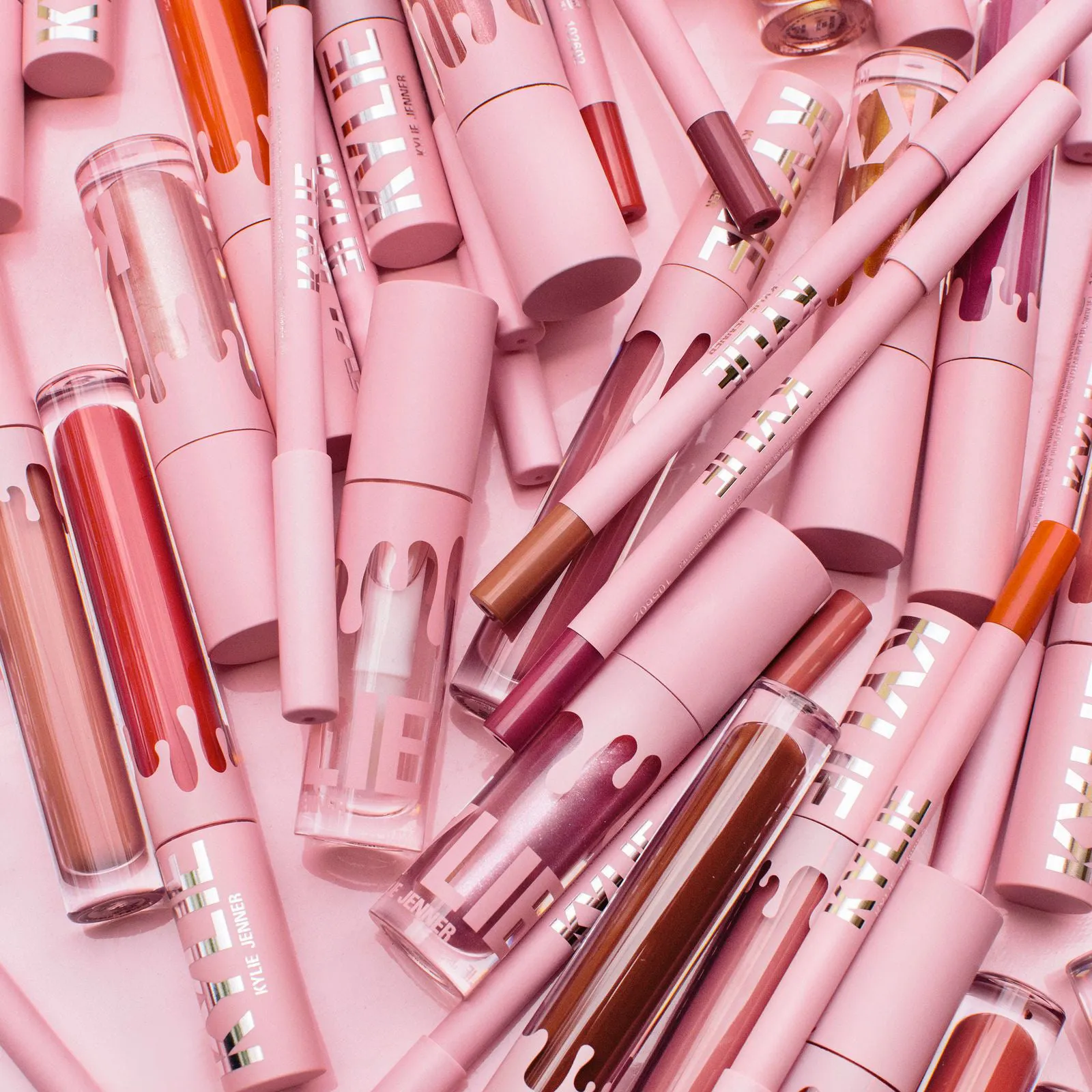
© Kylie Cosmetics
The Appeal of Celebrity Beauty
Celebrity products capitalise on clout, name recognition, and fan bases; and while some are now collecting dust on shelves, others have as much staying power as star power.
Following the evolution of the hyper-glam aesthetic of the 2010s into the ‘clean beauty’ trend of the 2020s, longstanding celebrity brands have advanced alongside the demands of consumers and fans.
With Gen Z reported to prefer multi-use and simplified skin care routines, celebrity beauty brands now go beyond selling a product—they have to sell a lifestyle.
Social media has been instrumental in this shift. With platforms like TikTok and Instagram transforming how celebrity beauty brands connect with consumers, stars can now bypass traditional advertising and speak directly to millions of followers.
The subject of more than 16.5 million posts on TikTok alone, Haus Labs by Lady Gaga is the perfect example.
The singer launched the brand on Amazon in 2019, saying that she wanted to “promote the power of make-up and feeling confident in your own skin”. In 2022, she re-launched the brand exclusively with Sephora, experiencing great success due to its commitment to high-tech, high-pigment, and high-performance products.
Its most viral product, the Triclone Skin Tech™ Foundation—a skincare-infused foundation that comes in 50 shades—cemented Haus Labs’ place in the celebrity beauty ecosphere, seeing it become one of the market’s most revered. It was valued at $90 million in 2024.
Haus Labs isn’t alone in proving that reinvention can revive a celebrity beauty brand.
Victoria Beckham Beauty also launched its sustainable and luxurious yet cruelty-free formulations in 2019, alongside the Victoria Beckham Spring/Summer 2020 collection at London Fashion Week. In Netflix’s 2025 three-part docuseries Victoria Beckham, it was revealed that the beauty brand helped to save the Victoria Beckham fashion label, which had been operating at a loss for some years.
Tapping into the ‘quiet luxury’ trend that peaked during 2023, it’s reported that a Victoria Beckham Beauty Satin Kajal Liner is sold every 30 seconds, with many beauty lovers trying to replicate her minimalist, chic look.
“I want to take care of women inside and out, providing them with the must-have items in makeup, skin care, fragrance and wellness that I feel I need in my own life,” Beckham said in announcing the brand’s launch.
Using the power of endorsement to make consumers feel connected to the celebrity and their aspirational life, it’s a very successful sales model that other celebrity beauty moguls have tapped into.
Like Hailey Bieber’s Rhode.
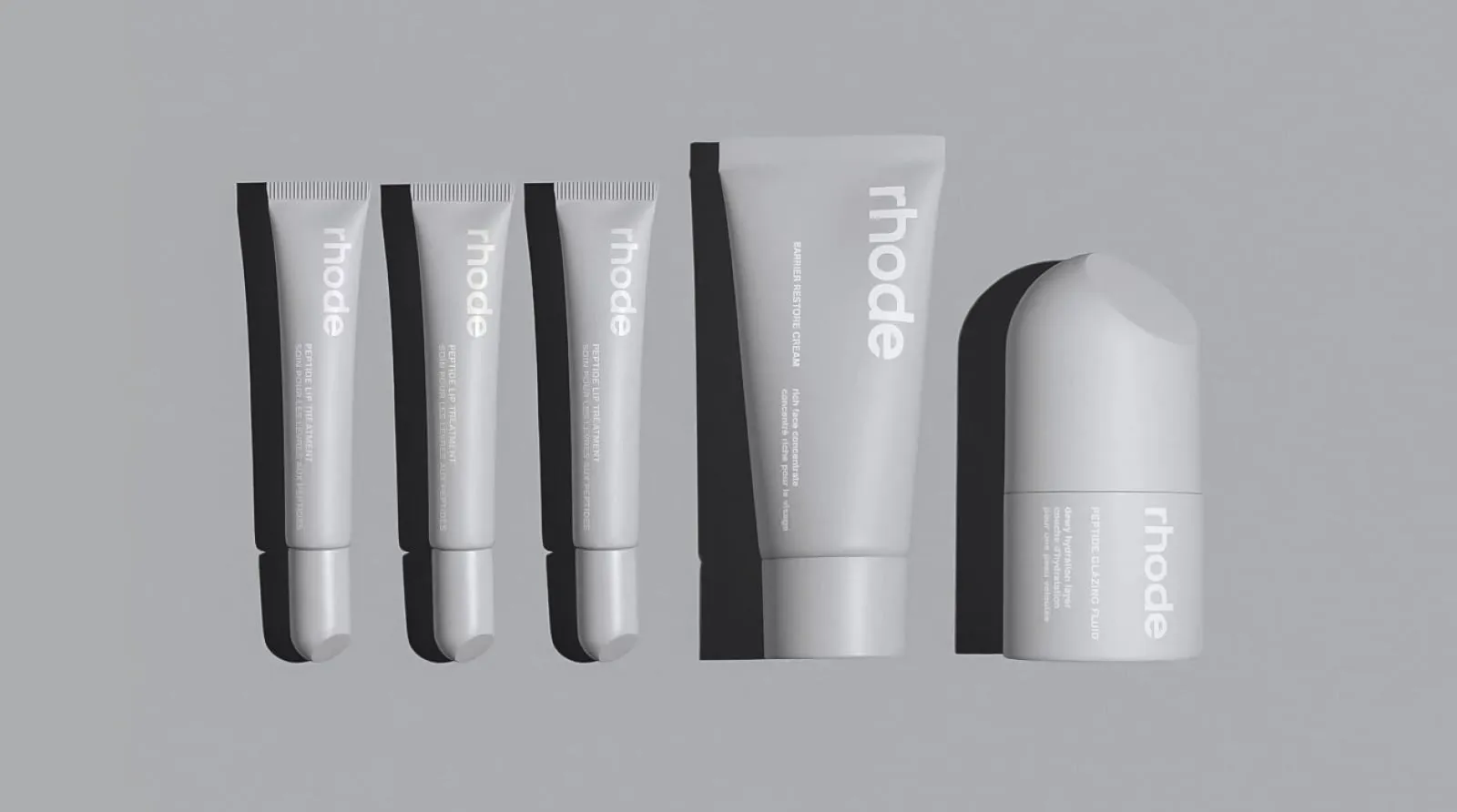
© Rhode
The Rise of Rhode
It’s rare for a brand to evolve beyond the celebrity behind it, but Rhode is something of a phenomenon.
Co-founded with Michael D. Ratner and Lauren Ratner in 2022, Rhode by Hailey Bieber has taken the beauty world by storm, becoming a cult brand in just three short years.
Cutting through the noise of the crowded beauty market by selling Bieber’s effortlessly desirable lifestyle—complete with chic cocktails and beachside escapes—it’s her central role in its marketing that has built trust and authenticity with consumers, seeing her products become “must-haves” on bathroom shelves.
Effortlessly aligning Rhode with her own personal brand, many industry experts say that what makes it so successful compared to others on the market is the way it delivers exactly what Gen Z was already craving: a community.
Showcasing an aspirational “clean girl” lifestyle, not only did Bieber leverage her impressive social presence to embed Rhode into the cultural moment, but she actively engages with its followers, takes community feedback into account for product development and creates an exclusive “insider” feel.
“I feel like for me when I’m building Rhode, it’s a whole universe and a whole world that I’m building. And when I open up that world, my hope for why people have really gravitated towards it is that they feel like they’re a part of something that is bigger than skin care,” Bieber told GQ.
“It’s not just a beauty brand, it’s a whole lifestyle.”
“…when I’m building Rhode, it’s a whole universe and a whole world that I’m building. And when I open up that world, my hope for why people have really gravitated towards it is that they feel like they’re a part of something that is bigger than skin care.”
Involved in everything from creating the products to starring in the ad campaigns, Bieber once again made waves with the announcement of the sale of Rhode to E.L.F. Cosmetics in a deal worth $1 billion, marking what Fashion Law says is one of the fastest, most remarkable success stories in the beauty industry’s recent history.
And while some would think that the sale would lessen the shine of Rhode, with Bieber remaining part of the company as the chief creative officer and head of innovation, fans believe that the authenticity that has made it so successful will continue to shine through.
More Than Skin Deep
While a celebrity name can launch a beauty brand, it takes far more than fame to sustain one.
Kim Kardashian’s KKW Beauty, Jennifer Lopez’s JLo Beauty and Blake Lively’s Blake Brown Beauty are just three examples of big celebrity names who—whether due to gimmicky and misleading marketing, bad press or high price points—have quietly faded away.
The success of brands like Rhode, Haus Labs and Kylie Cosmetics isn’t due to a mere stroke of luck; rather, a carefully orchestrated blend of personal branding, strategic marketing, and the ability to tap into cultural conversations.
“It was very fortunate that I got to watch a lot of people launch their brands before mine,” Bieber said to Forbes.
“That really helped me to decipher what I did and didn’t want to do. And that helped me decide what route to take because you can feel authenticity. This is so authentically important and real to me, and that helped me take the route of building it brick by brick.”
Enduring in an industry typically saturated with short-lived trends, it seems the future of celebrity beauty—and its success—will continue to be focused on authenticity.
It’s a little ironic in an industry designed to sell products aimed at enhancing physical appearance, but with celebrities like Bieber leading the way, the philosophies of beauty and skincare are now more than skin-deep.
Share this article
More from Edition 16
From quarter-acre block to apartment life
How Australia’s new generation is rewriting the property playbook.
Beyond Gangnam Style—the Korean Wave
How South Korea became the world’s cultural superpower.

The war on truth
In 2025, Australian journalist Bryce Corbett sat down with a group of mums in Estonia.