People
Ageless beauty
Supplied © Kate Bell
Words Emma Macdonald
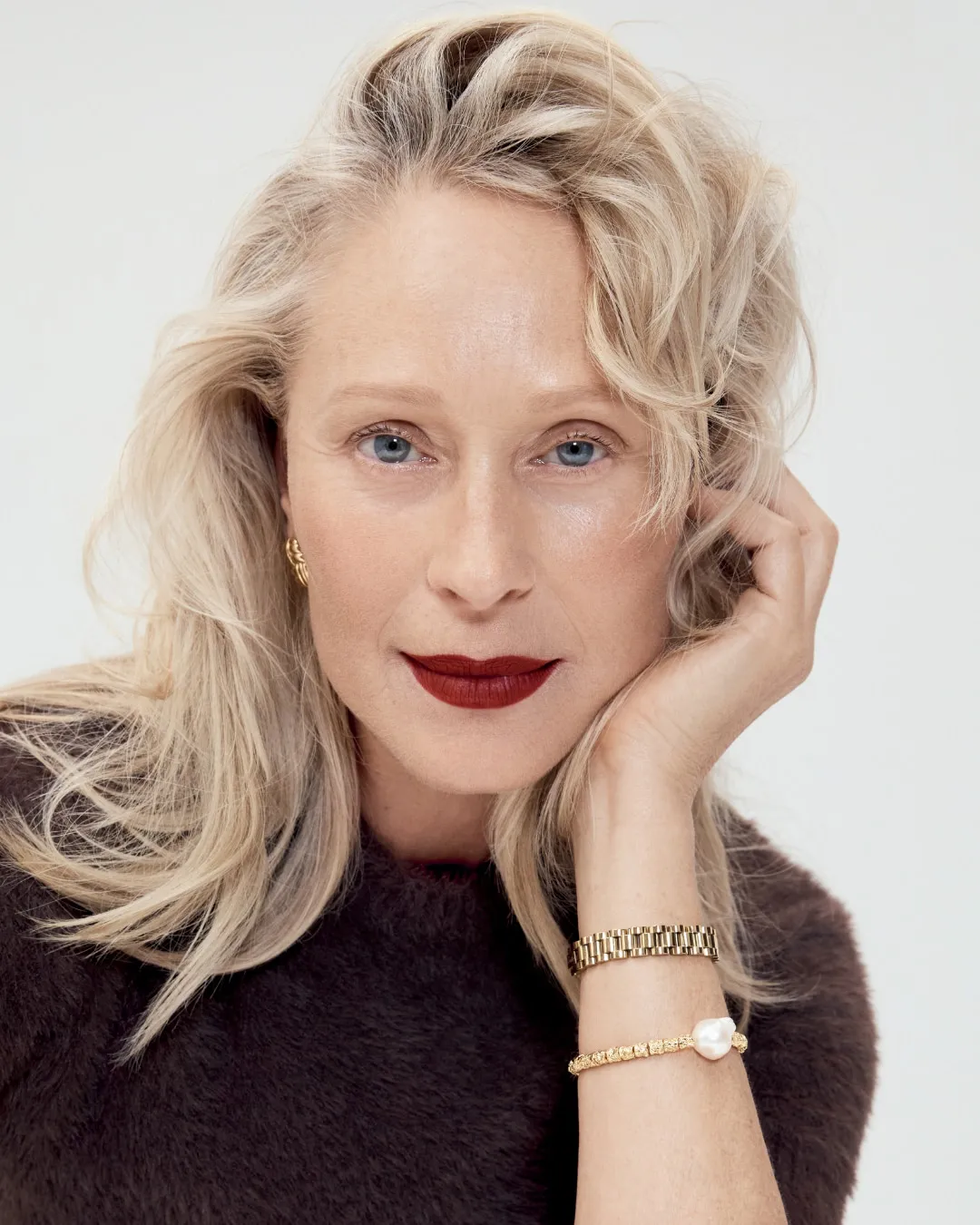
In 1986, Kate Bell was a genetic anomaly. At 18, she was tall, tanned, long-limbed and lithe, with bright blue eyes and a sculpted face. Kate looked like the girl-next-door—only much, much more beautiful.
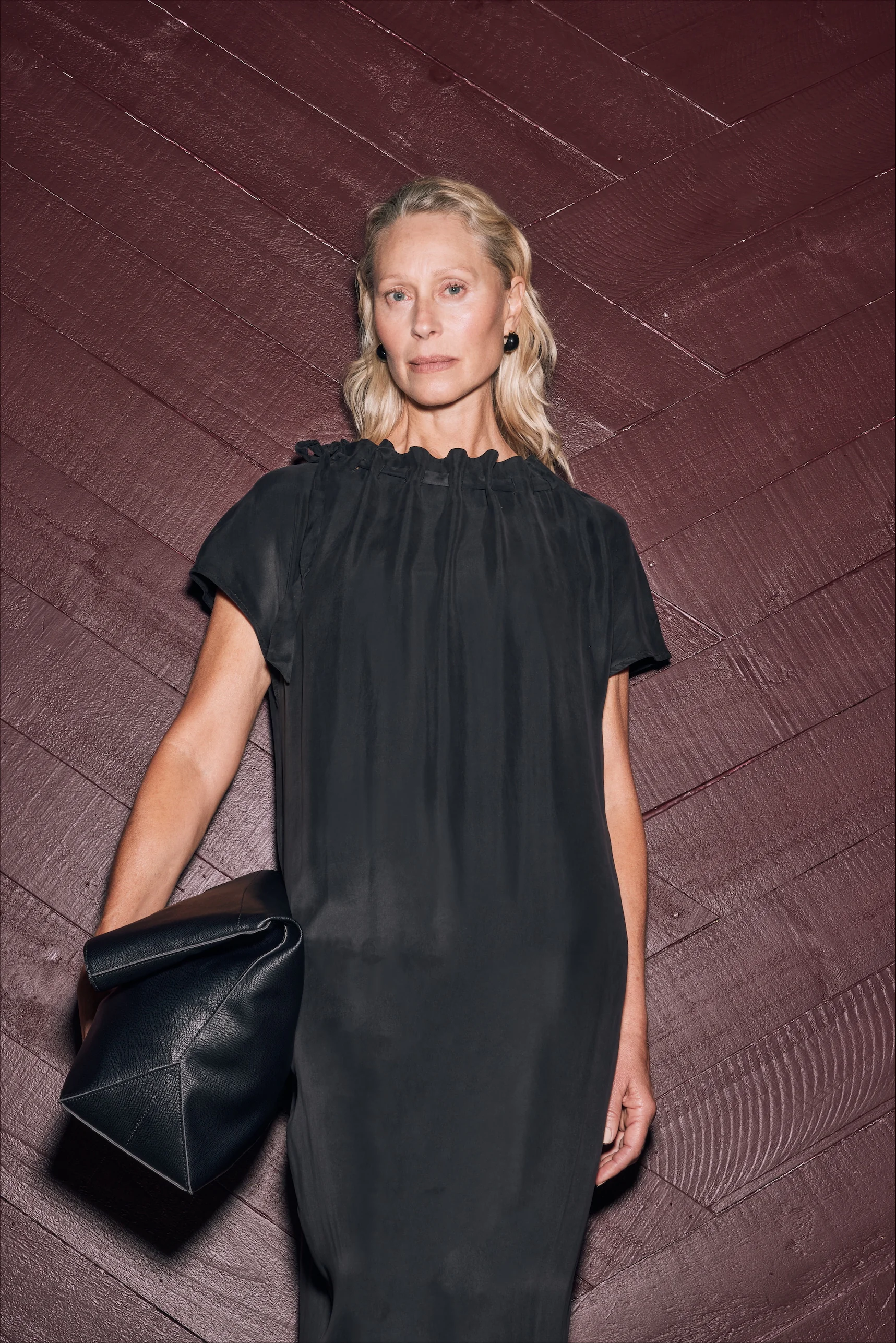
As she pursued a modelling career, Kate would travel to every continent on the planet, and base herself in iconic cities like New York, London, Paris, Munich, Sydney and Hamburg. She would shoot campaigns in the jungles of Costa Rica, the beaches of South Africa, and even the historic Viennese castle where The Sound Of Music was filmed. Now, at 57, Kate presents something of a commercial, economic and cultural anomaly. She is still modelling. Indeed, there’s never been a busier time.
Still sporting the same bright blue eyes and sharply symmetrical cheekbones that made her a teen cover girl, Kate holds three firsts as a ‘mature model’: the first to be the face of a national beauty campaign (Myer), a national underwear campaign (Bonds), and a national sporting campaign (Rebel).
And while some of her clients have been steady across her career—Australia’s iconic David Jones has been casting her for the last 40 years—others are reaching out for the first time. In 2024, at the age of 56, she opened her first international show at Copenhagen Fashion Week. In 2025, she closed Australian Fashion Week.
“My look hasn’t changed much except for what gravity, the sun and general wear-and-tear have done,” she says with a smile.
“When I was in my 20s, I felt big for the fashion industry. I was athletic and enjoyed exercise. Now that menopause has ravaged my thigh muscles, I do all I can to maintain strength and agility in my body. I have always watched my weight, at first fastidiously in my late teens and twenties, then chilling out, relaxing into a mindset of choosing very healthy food.”
Possessing a spiritual curiosity honed through decades of dedicated yoga study and practice, Kate approaches her work with an open mind and earned confidence.
“In my field, I’m an expert, just like an engineer who builds bridges. I know exactly how to make a perfect bridge. The photo is that bridge.”
She has also helped pave the way for a long-overdue shift from the cult of youth in defining beauty standards to a broader acceptance that beauty can, and should be, appreciated across the decades.
“In my late 30s, I was based in London, working through the world’s first ‘classic’ model agency. I had an epiphany that modelling would never stop; Baby Boomers would change advertising. Just like I was turning away from very young women selling me stuff—their images just didn’t correlate, didn’t speak to me,” she says.
“It was an empowering moment, and I came back to Australia buoyed by a confidence that I was pioneering a movement, if you will, and it had ramifications for all women.”
In 2021, Forbes Magazine published its first 50 Women over 50 list. Now it’s an annual and coveted award tapping into the zeitgeist, and Forbes has labelled this cohort of women “super consumers” with more than $15 trillion in purchasing power—making them the “wealthiest and most active generation in history.”
It makes sense then that the aspirational images used to sell the high-value accompaniments of wealth and success to this group reflect what they see in the mirror.
Kate says that the rise of social media has changed the game for mature models.
“Modelling became not only about me. I understood for the first time that my job had real meaning, and my ‘still being there’ empowered other women.”
I understood for the first time that my job had real meaning, and my ‘still being there’ empowered other women.
Glynis Traill-Nash is one of Australia’s most respected and experienced fashion writers and commentators. Formerly the Fashion Editor of The Australian, she’s a regular contributor to Business of Fashion, Australian Financial Review, Australian Women’s Weekly, Harper’s Bazaar, and Marie Claire, among others.
She is also of the generation that grew up seeing Kate Bell regularly appear in magazines and on the screen, and is both relieved and delighted to see her continued presence today.
“The spending power of this generation has a lot to do with it,” reasons Glynis.
“But honestly, in part, I think we can thank Gen X for much of this conversation. We’ve finally found our voice. You just have to look at the current discourse around menopause, which has been driven by this generation, after generations of women before us suffering in silence with inadequate information and advice to draw on.
“For so many years, Gen X was the forgotten generation—it was all about Boomers and Millennials fighting it out while we sat in the middle with the popcorn. We’re just not prepared to be ignored anymore—and that’s benefitting those older than us as well as the generations to come.”
Supplied © Kate Bell
For Glynis, the juggernaut that is the pro-age movement also taps into the cold, hard realities of marketing as well as a wave of representative empowerment.
“Who has money to spend? Older women! I read a story recently that said women over 50 account for just over a quarter of all consumer spending. So why would you not speak directly to them in your marketing? It’s wild to me that it has taken so long to connect these two threads. This cohort of women needs to feel seen and respected by these brands if those brands want to benefit from that considerable spending power.”
A self-confessed magazine addict who grew up nose-deep in Dolly and various British teen and pop magazines like Seventeen and Smash Hits, Glynis never questioned at the time the extraordinary youth of the models (but she remembers when Kate Fischer won the Dolly Covergirl competition at just 13, and it doesn’t sit well in hindsight). Glynis was about 16 when she got her hands on her first Paris Vogue, and even then, the “older” models would only have been in their 20s. It wasn’t until the mid-2000s/early 2010s that she picked up on conversations around older representation that were being kick-started.
“Ari Seth Cohen’s Advanced Style blog and book shone a light on stylish older women, and Iris Apfel was becoming known globally for her flamboyant style—she became a style icon in her 80s and was visible right through to her death last year at 102. She signed a modelling contract at 97! In terms of fashion campaigns, the one that always pops into mind was the 2015 Celine campaign featuring Joan Didion, in her silver-bobbed, 80-year glory.
“But really, I’d pinpoint the big push to later in 2020, following the death of George Floyd at the hands of police in the US, which reignited the Black Lives Matter movement. While fashion and beauty industries grappled to deal with their lack of black representation, it also opened up the conversation to the broader issues of diversity and inclusion across race, gender, size, age and those with disabilities.”
While pro-age models have made inroads, Glynis, who closely observes the itinerary of international fashion shows, notes that she sees far less commitment to size and disability representation.
But she is relieved to see models proudly sporting more natural faces and bodies after decades of obsessive (and obvious) airbrushing.
“We earn our stripes—and our wrinkles! Airbrushing them out negates the lived experience. Of course, most of us want to age as slowly and gracefully as we can, but we also shouldn’t be changed to be something we’re not to suit someone else’s agenda. I think we just accepted it in the ’80s and ’90s—that level of retouching today would be called out straight away on social media.”
We earn our stripes—and our wrinkles! Airbrushing them out negates the lived experience. Of course, most of us want to age as slowly and gracefully as we can, but we also shouldn’t be changed to be something we’re not to suit someone else’s agenda.
For the founder of Silverfox Management, Brigitte Warne, the creation of an agency specialising in pro-age models was partly due to a canny and prescient business sense and partly due to a sense of self-preservation.
At just 24, she was working as a model herself and at danger of ageing out when she decided to redefine what beauty and ageing representation looked like in Australia.
“I was being told that my career was nearing its end because I was getting ‘too old’, while also noticing that brands were actually wanting to book more relatable, diverse, and mature talent,” says Brigitte.
“It just didn’t make sense that this whole demographic of people over 30, 40, 50 and beyond was being completely overlooked in mainstream fashion and advertising. So we decided to do something about it.”
From starting out with street casting which earned Brigitte a small handful of beautiful people that she helped train into “models”, the Silverfox team has now built an international agency representing 500 diverse, mature, and authentic faces across Australia and works with major fashion and beauty brands like David Jones, Mecca, The Iconic and Country Road, as well as lifestyle, wellness, travel, and health companies. It also partners with global brands like L’Oréal.
“When we started, it was a completely untapped market, so it’s exciting to have helped pave the way and set a new standard for diversity and inclusion in the modelling world. We are still the only agency in Australia that exclusively represents mature talent.”
And yet it wasn’t easy.
“We were building something that didn’t really exist yet. The industry wasn’t used to booking mature talent, so there was a lot of education involved, showing brands that not only was there a demand for representation, but that consumers were actually craving it,” she says.
“Around 2018, we really started to notice a shift. Social media helped spark the movement as people wanted to see real, relatable faces and stories. Brands started realising that authenticity sells and that the modern consumer doesn’t want to be marketed to with unrealistic ideals. That’s when we saw major campaigns start to include older talent, and it’s only grown stronger since.”
Now Brigitte says there is no turning back.
“The demand for authenticity isn’t a trend, it’s a permanent shift. Consumers want honesty, diversity, and representation in every sense: age, body type, ethnicity, and lived experience. As the world becomes more inclusive, brands that don’t reflect that are going to be left behind.
“Representation matters, and the success of Silverfox is proof that celebrating diversity isn’t just good ethics, it’s good business.”
For Kate, the chance to work in fashion as she nears her 60s brings her creative fulfilment, energy and whimsy. And for seasoned observer, Glynis, there is something magnificent about an older woman in front of the camera.
“Honestly, for me it’s the attitude. There’s a sense of ownership. Older women are so much more confident in their skin, you can see it in the way they walk and hold themselves and inhabit the clothes—the clothes never wear them.”
Share this article
More from Edition 16
From quarter-acre block to apartment life
How Australia’s new generation is rewriting the property playbook.
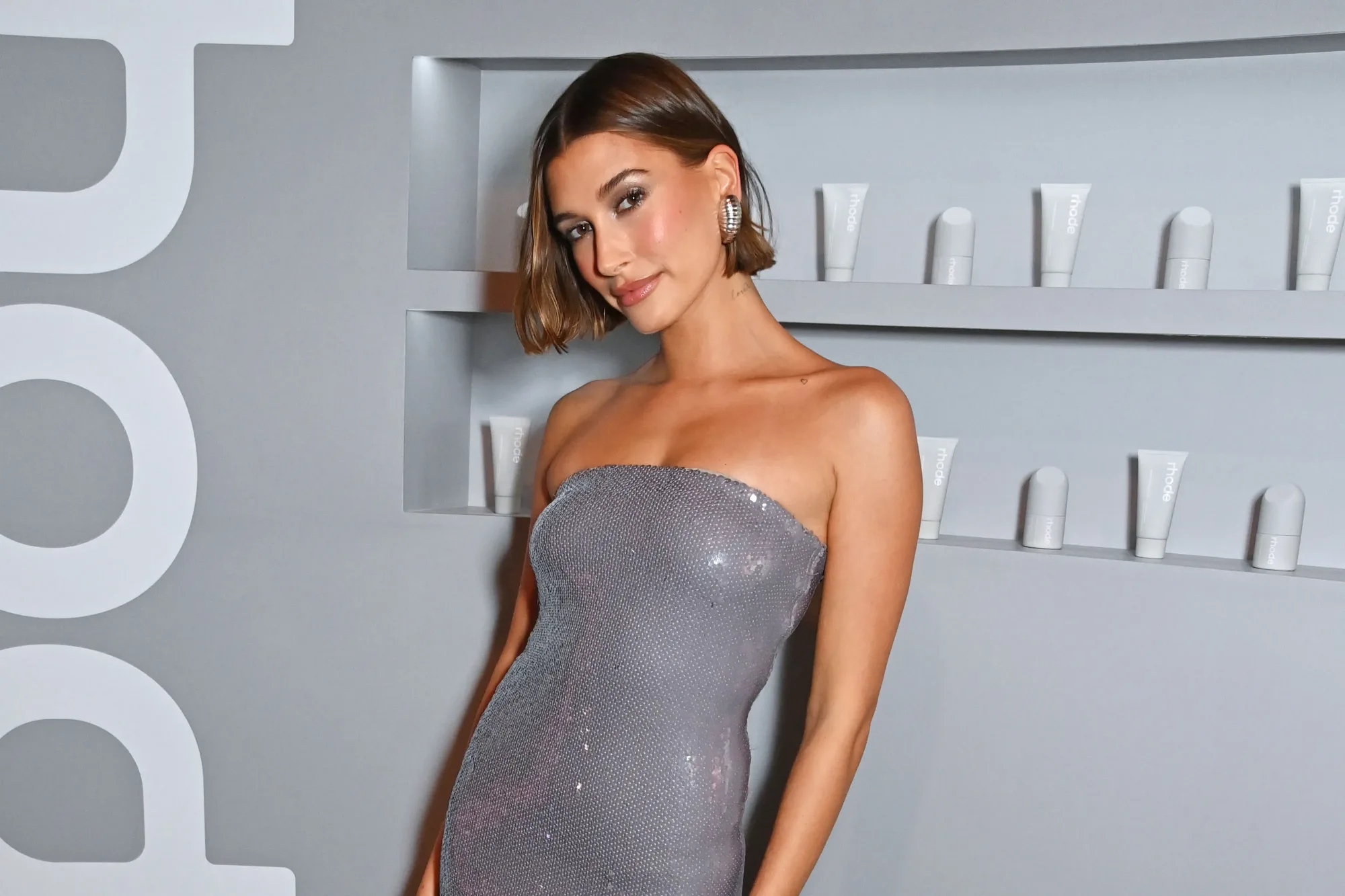
From KYLIE to RHODE: Inside the billion-dollar celebrity beauty boom
It’s hard to name a celebrity who hasn’t entered the beauty space. From Gwyneth Paltrow’s LA luxury wellness brand, synonymous with a more left-of-field approach to beauty, to Hailey Bieber’s clean-girl aesthetic-driven cosmetics company, it seems that celebrities can’t resist getting into the beauty boom.